
Summarize the blog with Artificial Intelligence (AI):
 ChatGPT
 Google AI
 Grok
Grok Perplexity
 Claude.ai
The AI Sales Automation Shift
The B2B sales automation market has moved beyond experimentation. With platforms like Gong, Outreach and People.ai collectively serving over 11,000 enterprise customers and processing billions of sales interactions weekly, AI has become operational infrastructure, not innovation theatre.
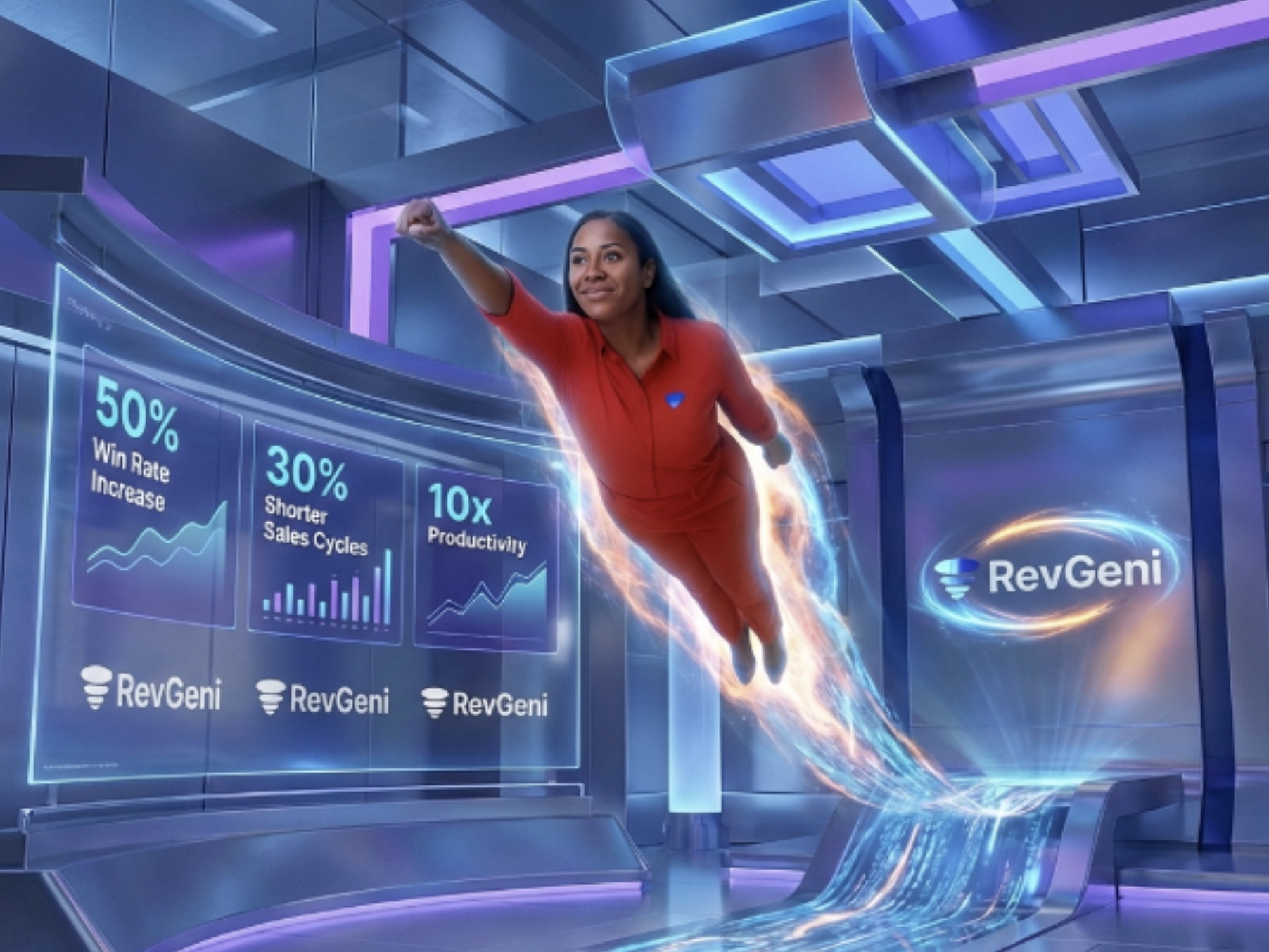
The results are measurable. Revenue teams report 50% increases in win rates, 30% shorter sales cycles and 10x productivity improvements in specific workflows. Gong earned Leader status in Gartner’s 2025 Magic Quadrant for Revenue Action Orchestration, while Outreach processes 33 billion interaction signals weekly to train its predictive models.
But here’s what most guides miss: AI sales tools for B2B don’t succeed because of their algorithms. They succeed when you match the right capability to your specific bottleneck. This post takes an implementation-first approach, showing you which SaaS sales automation tools solve which problems, and how to build a stack that delivers ROI in weeks, not quarters.
What is AI Sales Automation?
AI sales automation uses machine learning, natural language processing and predictive analytics to execute sales tasks autonomously. Unlike traditional rule-based automation (think scheduled emails or task reminders), AI applications in sales learn from patterns in your data to make decisions, generate content and predict outcomes.
The distinction is that while traditional B2B sales automation follows IF-THEN logic that you program manually, AI sales tools for B2B adapt continuously, improving performance as they process more interactions. Outreach’s platform analyses 33 billion weekly signals to predict which prospects will convert. Gong monitors 300+ conversation signals to flag deal risks before you spot them yourself.
The core technologies work together: machine learning models identify which messaging drives responses, NLP extracts insights from call transcripts and predictive analytics forecast pipeline with 81% accuracy. For SaaS sales automation, this means your tools don’t just execute tasks: they recommend what to do next.
Why Revenue Teams Need AI
Revenue Operations (RevOps) unites sales, marketing and customer success around shared metrics and systems. But alignment alone doesn’t close deals faster. AI sales tools for B2B deliver the execution layer RevOps models promise. Outreach customers report 44% faster forecast preparation and 15% more pipeline coverage. Uber for Business saved 6,700 hours on call prep and CRM updates while achieving a 32% lift in buyer response rates with Gong. Unity cut strategic upsell cycles by 30%. These aren’t marginal gains. When B2B sales automation eliminates hours of manual research, data entry and follow-up coordination, your team shifts from administrative work to revenue-generating conversations. The data proves it: SaaS sales automation doesn’t just save time, it improves forecast accuracy to 99% and increases win rates by 50%.
Key Capabilities of AI Sales Automation
AI sales tools for B2B solve specific bottlenecks across six capability areas:
1) Outbound dialling platforms like Nooks and Orum eliminate dead air and connect reps only to live answers, multiplying call volume.
2) Prospecting tools such as Apollo.io and Salesloft orchestrate multi-channel sequences with AI-generated messaging and next-step recommendations.
3) Post-call analysis is where SaaS sales automation delivers immediate ROI. Sybill transcribes calls, analyses buyer emotion and drafts follow-ups automatically. Gong flags deal risks by tracking 300+ conversation signals.
4) Scheduling tools like Chili Piper qualify leads in real time and embed booking directly into forms, while Calendly offers universal link-based coordination.
5) Data enrichment platforms keep your CRM current. Clay uses a spreadsheet interface to pull contact data from dozens of sources. LeadIQ captures LinkedIn profiles with one click.
6) Autonomous agents like SalesCloser.ai handle discovery calls and demos 24/7, updating your CRM without human intervention.
Each capability addresses a measurable workflow friction point, turning administrative hours into selling time.
Which Tool for Which Bottleneck?
It’s crucial to match your biggest friction point to the right AI sales tools B2B category:
- Low call volume? Deploy Nooks or Orum for high-velocity dialling.
- Manual prospecting eating hours? Apollo.io or Salesloft automate multi-channel sequences with AI-generated messaging.
- CRM data decay? Clay and LeadIQ keep contact records current without manual updates.
- Post-call admin burden? Sybill and Gong transcribe, analyse and draft follow-ups automatically.
- Scheduling friction losing leads? Chili Piper qualifies and books in real time, while Calendly offers universal link-based coordination.
- Need 24/7 coverage? SalesCloser.ai handles discovery calls and demos autonomously, updating your CRM in real time.
It’s essential to remember that SaaS sales automation works when you solve one specific bottleneck first, then expand.
The Hidden Costs of Automation
It’s also worth keeping in mind that while B2B sales automation delivers measurable gains, three risks undermine ROI if ignored:
- The spam trap occurs when high-volume AI tools damage the sender’s reputation through generic messaging. Mitigate this by personalising at scale using buyer-specific data from Clay or LeadIQ, and monitoring deliverability metrics weekly.
- The integration tax hits when SaaS sales automation tools don’t sync properly, creating data silos. Uber for Business avoided this by standardising on Gong’s native CRM integration, saving 6,700 hours on manual updates. Choose AI applications sales platforms with pre-built connectors to your existing stack.
- The training gap emerges when reps resist new workflows. Unity reduced this friction by running two-week pilots with Gong before full rollout, achieving 30% faster cycles. Start with one AI sales tools B2B capability, measure impact, then expand systematically.
How to Build Your AI-Powered Sales Stack
Think of your AI sales tools B2B infrastructure as a three-layer building:
- The foundation is your CRM (Salesforce, HubSpot or Pipedrive), the single source of truth for customer data. Without clean CRM data, AI applications sales can’t learn patterns or make accurate predictions.
- The walls are your engagement platforms. Salesloft or Outreach orchestrate multi-channel sequences, track buyer interactions and suggest next actions. These SaaS sales automation tools connect prospects to your reps efficiently, automating follow-up timing and channel selection based on response patterns.
- The roof is your intelligence layer. Gong or Sybill analyses conversations, flags deal risks and generates insights from every call. This layer feeds learning back into your engagement tools, creating a continuous improvement loop.
Sequencing matters: deploy your CRM first, add one engagement tool second, then layer intelligence third. Each integration amplifies the others, turning isolated B2B sales automation capabilities into a unified revenue engine.
How to Choose the Right AI Tool for Your Team
Start with a four-step framework that turns evaluation into execution. First, identify your bottleneck. Track where reps spend non-selling time. Is it manual prospecting, CRM updates or call prep? Unity focused on strategic upsell cycles and achieved 30% reduction by deploying the right AI sales tools B2B.
Second, audit your data quality. AI applications sales require clean CRM data to learn patterns. If contact records are incomplete or outdated, fix that before adding tools.
Third, run a two-week pilot. Test one SaaS sales automation capability with a small team. Measure time saved, activity volume, and conversion impact. Gong customers who piloted first saw 32% higher response rates.
Fourth, measure ROI with specific metrics. Track forecast accuracy, hours saved per rep, and pipeline velocity. Outreach reports 44% faster forecast prep. If you can’t quantify the gain, the tool isn’t solving your bottleneck.
Emerging Trends
The next wave of AI sales tools B2B centres on autonomous agents that execute complete workflows, not just tasks. Generative AI now drafts buyer-specific emails in seconds, while hyper-personalisation engines tailor messaging using real-time firmographic and behavioural signals. Real-time coaching platforms analyse calls mid-conversation, surfacing objection-handling prompts before deals stall. Predictive next-action systems recommend which prospect to contact, through which channel, at exactly the right moment. Available data shows that platforms deploying autonomous agents report 10x productivity gains in specific workflows, shifting SaaS sales automation from assisted execution to fully autonomous revenue operations. The question isn’t whether AI applications sales will handle more of your workflow. It’s how quickly you’ll deploy them before competitors do.
From Competitive Edge to Operational Necessity
AI sales automation has shifted from advantage to requirement. Organisations without these capabilities face measurable productivity disadvantages as competitors leverage AI to increase capacity and reduce cycles. The data confirms it: platforms now serve 11,000+ enterprises processing billions of weekly interactions. Is your team still treating AI as optional?